← Back to work
02 / 03 — Health · Mobile · CMU

MediConnect

A teen health app balancing a teenager's autonomy with a parent's oversight. Two prototypes, two personas, and one central design argument: the information boundary between them.

Role
UI architecture & visibility model
Team
2 · CMU Portugal
Platform
Mobile (iOS)
Tools
Figma
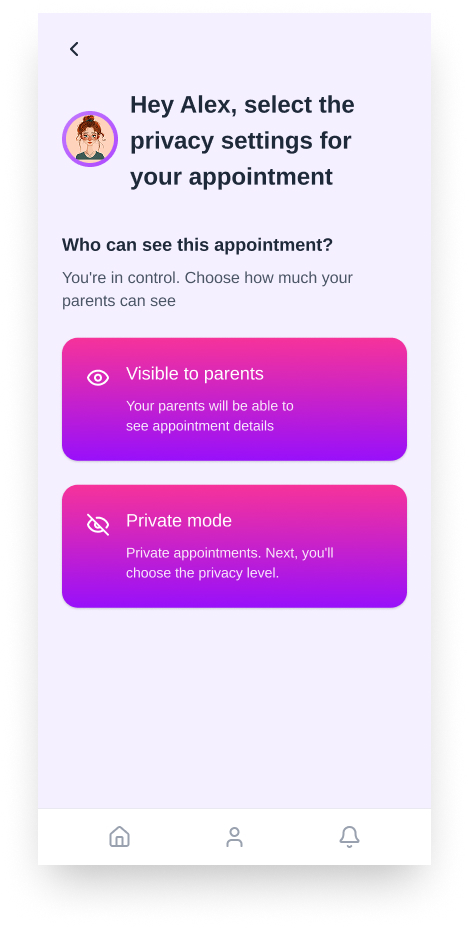
MediConnect — privacy mode screen
01
Challenge

Autonomy vs. oversight

Teenagers need autonomy over their health information to build trust with providers and develop self-advocacy — while parents need appropriate visibility for safety. The whole product comes down to one decision: where you draw the line between what a parent can and can't see.

02
My role

I owned the UI architecture

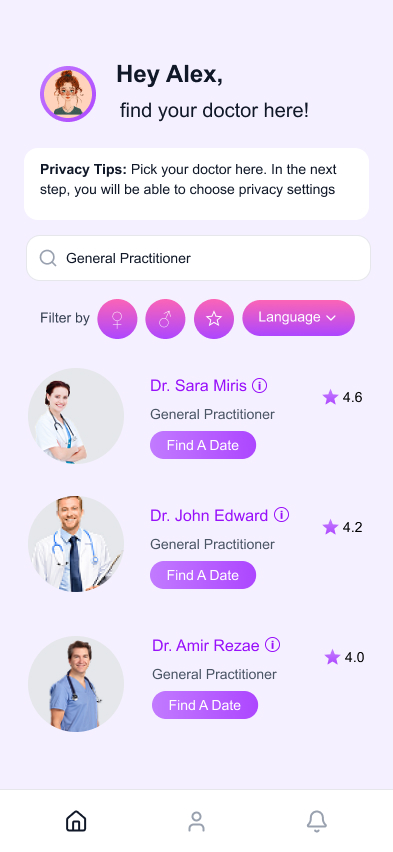
On a team of two, I owned the UI architecture: the information hierarchy, what each persona sees and what's hidden, the interaction model for the GP chat, and the three-tier visibility structure across profiles. I wasn't a passive contributor — the screen layout and the logic of what is shown to whom was my work.

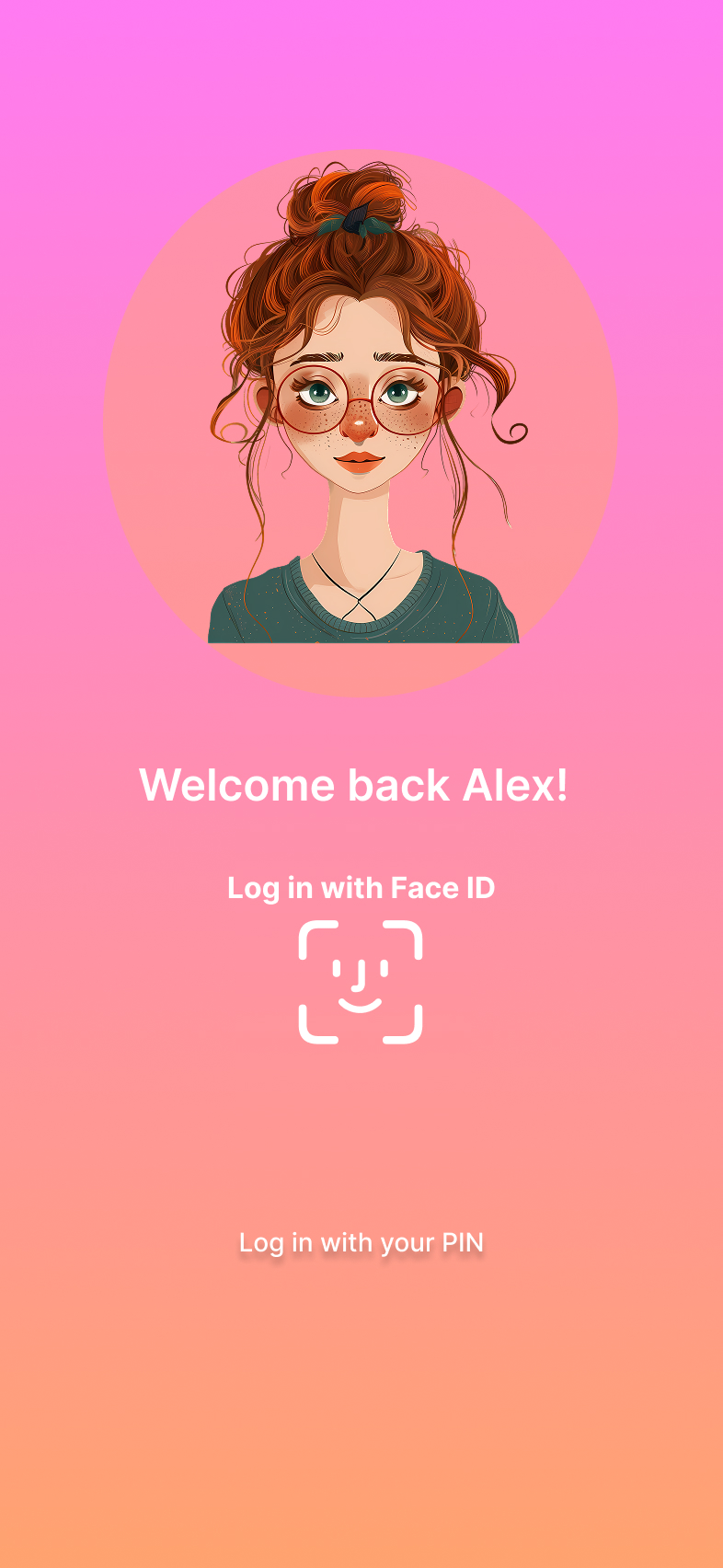
Teen — Face ID login
Teen · Face ID login (pink theme)
Teen — medical selection
Teen · Medical selection
Teen — privacy mode
Teen · Privacy mode
03
The privacy line

The trust problem solved the design problem

We researched with parents aged 25–46 and found genuine disagreement — some felt teen autonomy was essential, others wanted full visibility. The deciding insight was what I call the trust problem: no abusive parent downloads an app that limits their access. So the system can safely grant teens real privacy, because the people most likely to misuse oversight self-select out.

The edge case that drove the design: a teenager dealing with substance use who can't talk to their family — that's exactly the user who needs the confidential chat most.

“No abusive parent downloads an app that limits their access. That's why we could give teens genuine clinical privacy — the edge case we designed for was a teenager in crisis who can't speak to their family.”
04
A disagreement

Full privacy vs. a tiered model

My teammate argued for full privacy in sensitive cases like pregnancy. I argued for a tiered model — teenagers are still financially and legally dependent on their parents, so total opacity isn't always safe or practical. The research broke the deadlock: what parents actually wanted was for their kids to develop autonomy naturally, with trust built progressively. We landed on tiered visibility, with parental access to non-sensitive information by mutual agreement.

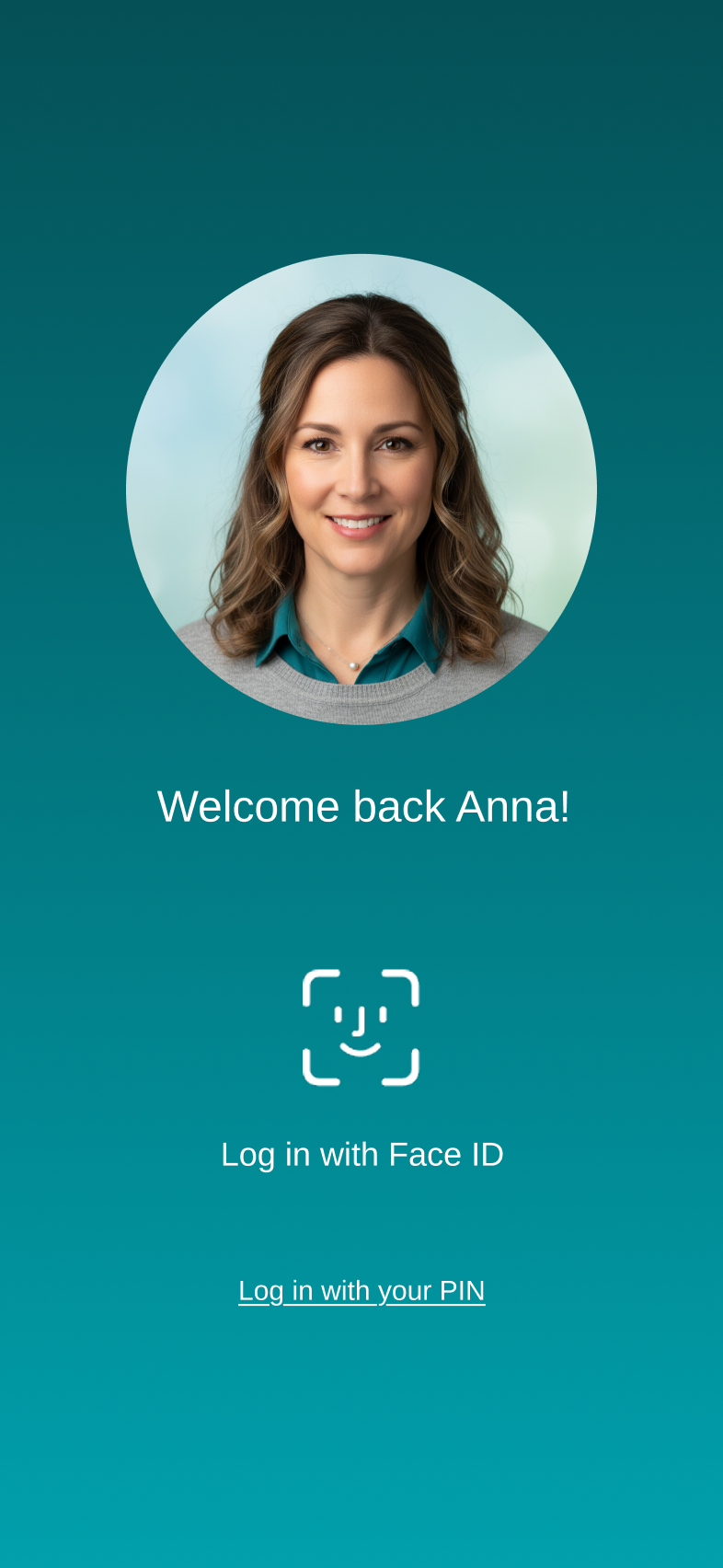
Parent — login
Parent · Login (blue theme)
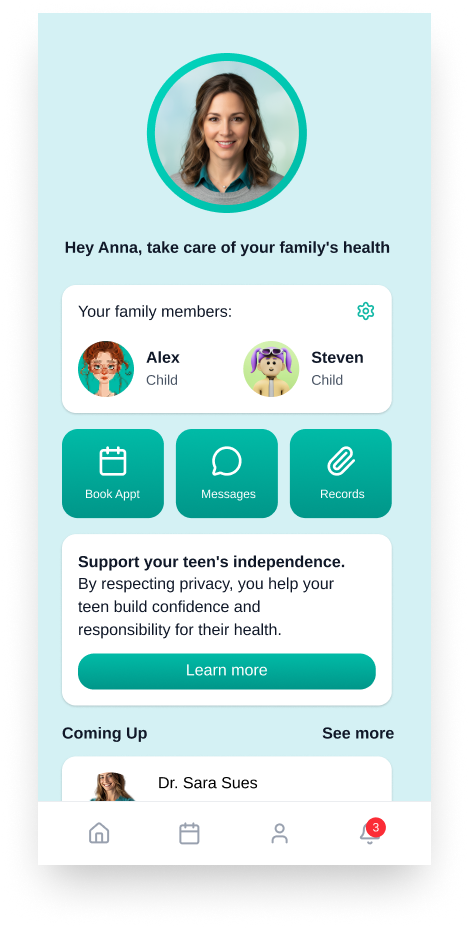
Parent — home
Parent · Home screen
05
Outcome

A research-driven concept

MediConnect is a research-driven concept prototype: two high-fidelity apps that make the privacy argument concrete. The parent app handles booking, family management, and notifications but no access to the teen's private health data; the confidential chat and emergency support are teen-only. The contribution isn't the screens — it's the defensible boundary underneath them.

← Previous
Presence
Next →
TrendWear

© 2026 Marcos Lourenço

UX & Service Design · Lisbon, Portugal